How Zorba Street Food makes its rooster with Session Pilot Ops
How street food teams are simplifying staff scheduling with AI-assisted planning in Session Pilot Ops.
Zorba Street Food runs on timing. During the lunch rush, the team needs enough people to keep queues moving. On quieter afternoons, too many staff on the clock can mean unnecessary labour costs. Getting that balance right every week used to take hours of planning.
Owner Zaio manages a team of full-time and part-time employees, each with different availability and working hours. Building the weekly roster meant collecting information from conversations and group chats, fitting shifts together manually, and sending out the latest version. With Session Pilot Ops, Zaio can describe what the week needs in plain language, review an AI-generated draft and publish the roster directly to his team's phones.

A busy kitchen needs the right people at the right time
Street food operations have their own rhythm. Lunch periods can bring a sudden rush, while evenings and weekends may require different staffing levels. A fixed staffing pattern does not always reflect how demand changes throughout the week.
Zorba also works with both full-time and part-time employees whose availability can vary. Planning around these differences means finding the right balance between covering busy periods, respecting working hours and avoiding unnecessary staffing.
The challenge was not simply filling shifts. It was making sure the roster reflected how the business actually operates.
Planning the week took time
Before Session Pilot Ops, Zaio built the weekly roster by bringing together information from messages, conversations and individual availability.
The process involved collecting when people could work, arranging shifts on paper or in a spreadsheet, sharing the schedule in a group chat and updating it whenever someone called in sick or needed a shift swap.
Each step seemed manageable on its own. Together, they could consume an entire evening every week. Manual updates also created room for scheduling gaps, double bookings and confusion about which version of the roster was current.
From a blank schedule to an AI-generated roster
Session Pilot Ops changes how Zaio starts the planning process. Instead of filling an empty schedule one shift at a time, he can describe his staffing requirements in everyday language.
For example, he might ask for two employees at the counter during lunch, three people on Friday and Saturday evenings, and part-time employees to stay within their contract hours.
Session Pilot Ops uses these requirements alongside the team's availability to generate a draft roster. Zaio can then review the proposed shifts, make adjustments and publish the schedule when it is ready.
The workflow follows three simple steps:
Describe the week. Zaio enters the expected busy periods, staffing levels and any special requirements.
Review the draft. Session Pilot Ops generates a proposed roster based on team availability. Zaio can move shifts and make adjustments where needed.
Publish the roster. Once approved, the schedule goes directly to employees through the Session Pilot app.
Employees can then check their own shifts on their phones, without relying on screenshots or messages that may no longer reflect the latest schedule.
Changes stay with the schedule
Restaurant and street food teams need to adapt when someone calls in sick or a shift swap becomes necessary. Previously, these changes could mean updating the schedule manually and contacting employees individually.
With Session Pilot Ops, shift changes can be handled in the app, keeping the roster up to date in one place. The team has a clearer view of the current schedule, and Zaio spends less time chasing confirmations.
Employees also clock in and out using a QR code in the app. The code refreshes every 15 seconds, helping ensure that clock-ins take place at the workplace.
Worked hours, ready for payroll
Planning shifts is only part of managing a team. At the end of the month, managers also need to know how many hours employees actually worked.
Session Pilot Ops records clock-in and clock-out data alongside planned shifts. This gives Zaio a clearer view of scheduled versus worked hours and reduces the need to reconstruct time records from separate sources when preparing payroll.
The result is a more connected process, from building the roster at the start of the week to reviewing worked hours at the end of the month.
The result
Zorba Street Food has moved from spending an evening piecing together a weekly roster to spending a few minutes reviewing an AI-generated draft.
Staffing can follow the rhythm of the business, employees have access to the current schedule, and changes can be managed in one place. With QR-based clock-in and worked hours recorded alongside planned shifts, month-end preparation becomes more straightforward.
Session Pilot Ops helps Zaio spend less time coordinating schedules and more time focusing on the food, customers and growth of the business.
Zorba Street Food uses Session Pilot Ops to generate weekly rosters, manage shift changes and record worked hours. For restaurants and street food businesses looking to simplify staff planning, Session Pilot Ops brings AI-assisted scheduling and everyday workforce management together in one system.
Make your roster the Zorba way
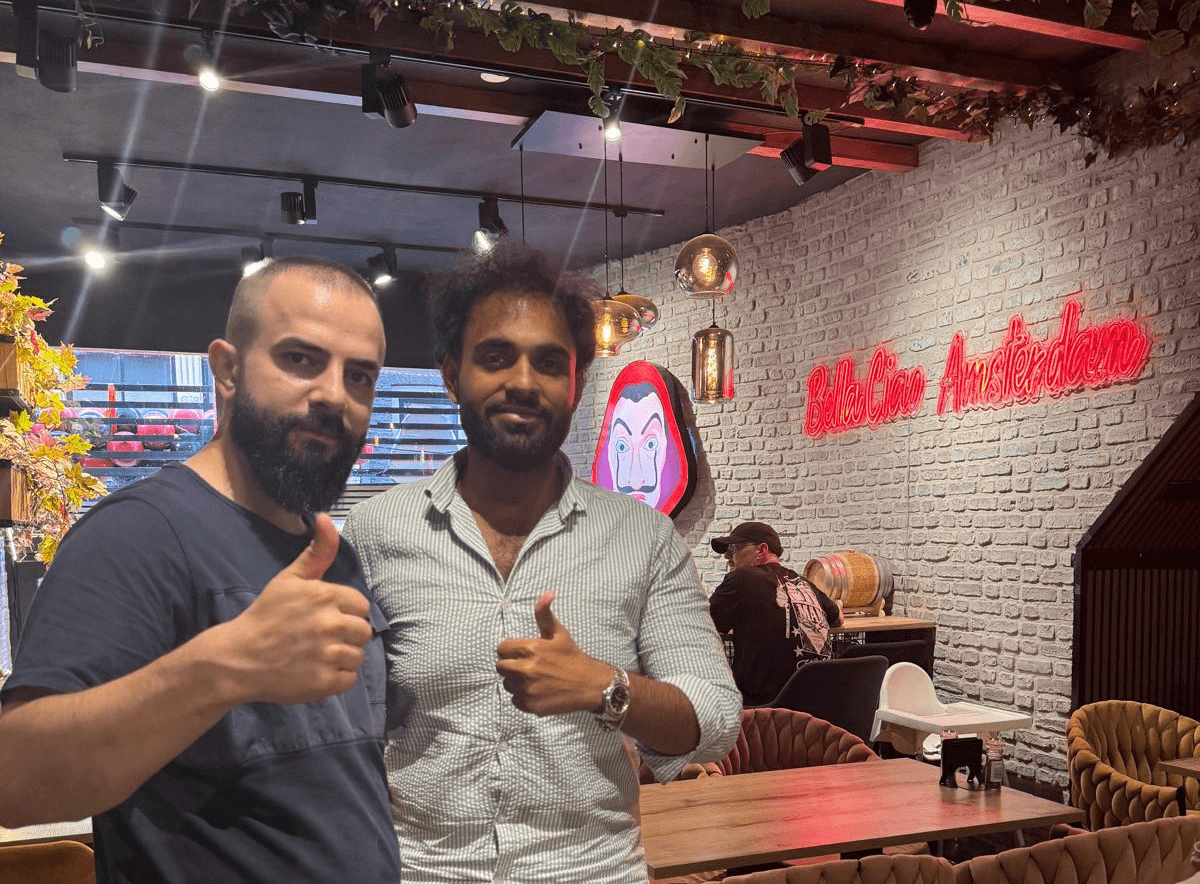
Zorba joins hospitality teams such as Bella Ciao Amsterdam, Babal and Gallipos that use Session Pilot Ops for staff planning. The platform is designed around the practical needs of restaurants and street food kitchens.
Want to see how Session Pilot Ops can build your weekly roster from a single prompt? Book a demo with our team.